
-
(P.5) Fomenko’s Carbon Dating, Vol. 1, Ch. 1.16.1-1.16.3

The claims below were “(Written by Professor A. S. Mishchenko, Doctor of Physical and Mathematical Sciences from the Moscow State University Department of Mathematics and Mechanics, a prominent scientist of the V. A. Steklov Mathematics Institute of the Russian Academy of Sciences, nominated State Premium of the Russian Federation Laureate in 1996, a specialist in…
-
Pompeii: Lost for 1,684 Years or Known through the Ages?
A popular notion has entrenched itself in the minds of the general public. The notion is that the city of Pompeii in Italy was destroyed by Mount Vesuvius’ eruption in 79 AD, and that its location was lost until the 18th century. The other cities which were reportedly destroyed alongside Pompeii were Herculaneum, Stabiae, Oplontis,…
-
The History of Fomenko’s New Chronology

Anatoly Fomenko (1945-present) began his research on chronology in 1973, was publishing it in scientific magazines in the 1980’s, and began publishing it in books in the 1990’s. In the early 2000’s his popular 7 volume series “History: Fiction or Science?”. This article provides:1 – A summary Fomenko’s New Chronology.2 – A summary of the…
-
Concise Timeline of the Development of Historical Methods and Studies

This article contains a brief summary of the development of the methods used for historical investigation. The contents in this article are subject to being updated when the greater body of information grows. If there is a question mark after the name, this means that I am unsure if the dating is accurate, but it…
-
Brown’s Historical Method
This article contains my review of Robert W. Brown’s The Historical Method. Brown’s publication establishes some methods of historical investigation. It also establishes some issues that may be faced when investigating history. The basics of historical method, as is shown below, are to:1 – Explore2 – Observe3 – Explain. ~~~~~ ~~~~~ ~~~~~ ~~~~~ “…what animates…
-
Jean Mabillon
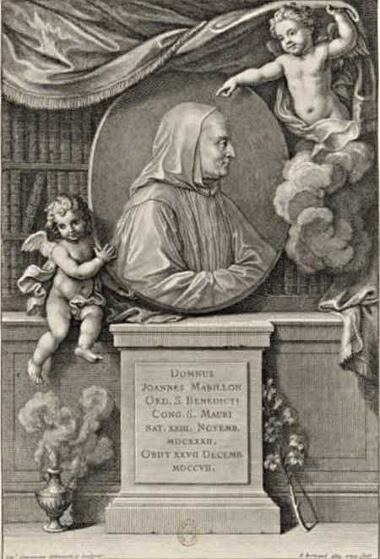
Dom Jean Mabillon is “one of the greatest names in the history of European scholarship”.[1] He is considered the Father of Paleography (the study of ancient and historical handwriting) and the Father of Diplomatics (the scholarly discipline centered on the critical analysis of documents). He was a Benedictine monk and scholar from the Congregation of…
-
Biography of John Amos Comenius
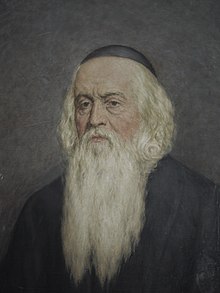
John Amos Comenius is also known by Jan Amos Comenius, Johannes Amos Comenius, Jana Amose Komenskeho, and Jan Amos Komensky. He was born in 1592 and died in 1670. He advocated for working with nature, instead of against it. He published over 150 works in Czech, German, and Latin on topics such as cartography, human…
-
Biography of Gasparino da Barzizza
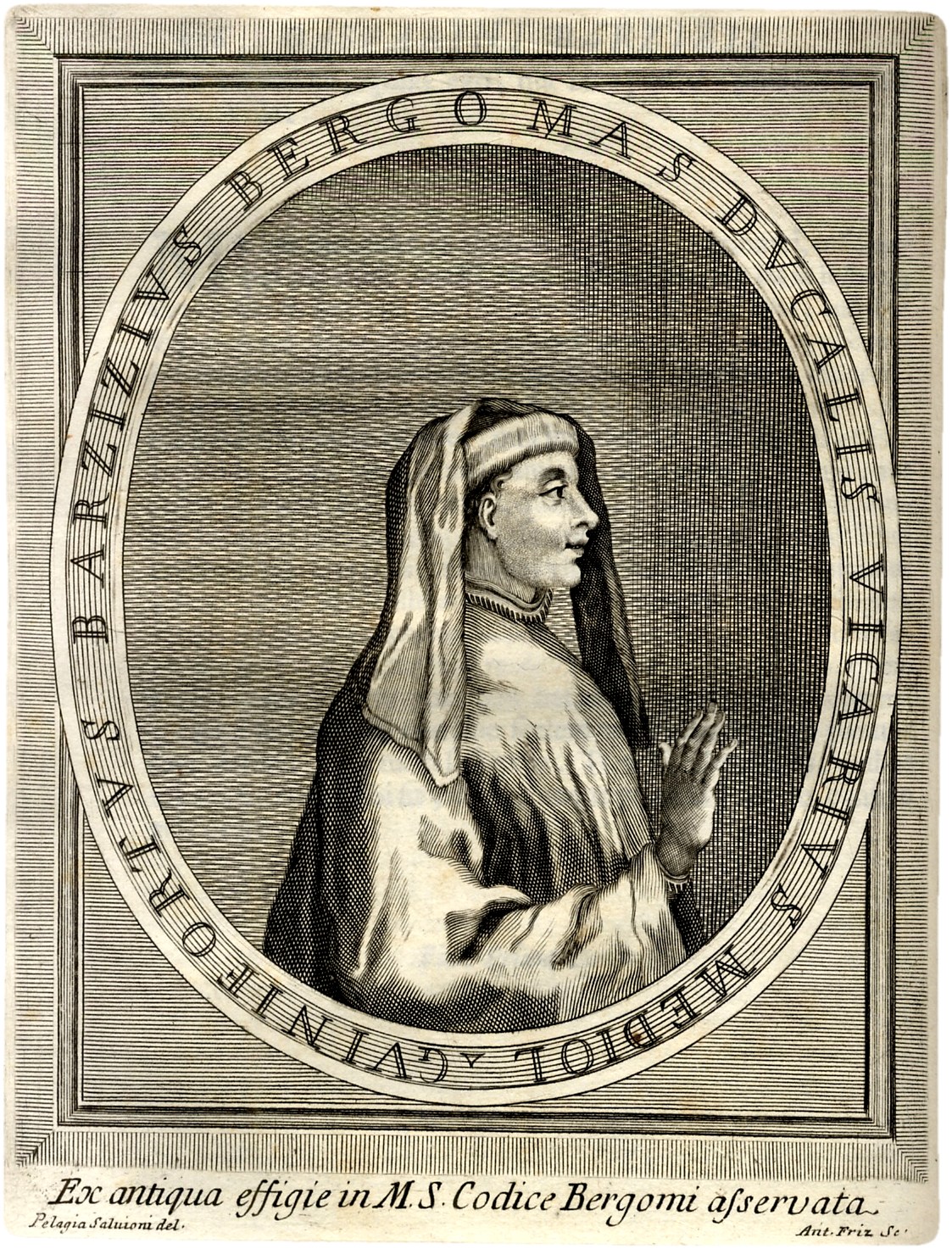
Gasparino da Barzziza’s original name was Gasparino Di Pietrobuono. In his time he was known for his academic caliber and for his exquisite teaching. Today, one notable achievement of his is the “rediscovery” of the complete works of Cicero. He was born around 1360 and died in 1431. He is considered to be one of…
-
Comparisons of Ancient Greek Timelines

This article contains a collection of information that compares the dates of ancient Greek timelines from various sources on the internet. As of now, 20 different sources have been used in this article. This article establishes that there are a variety of dates offered for ancient Greek time periods. My question is; are any of…